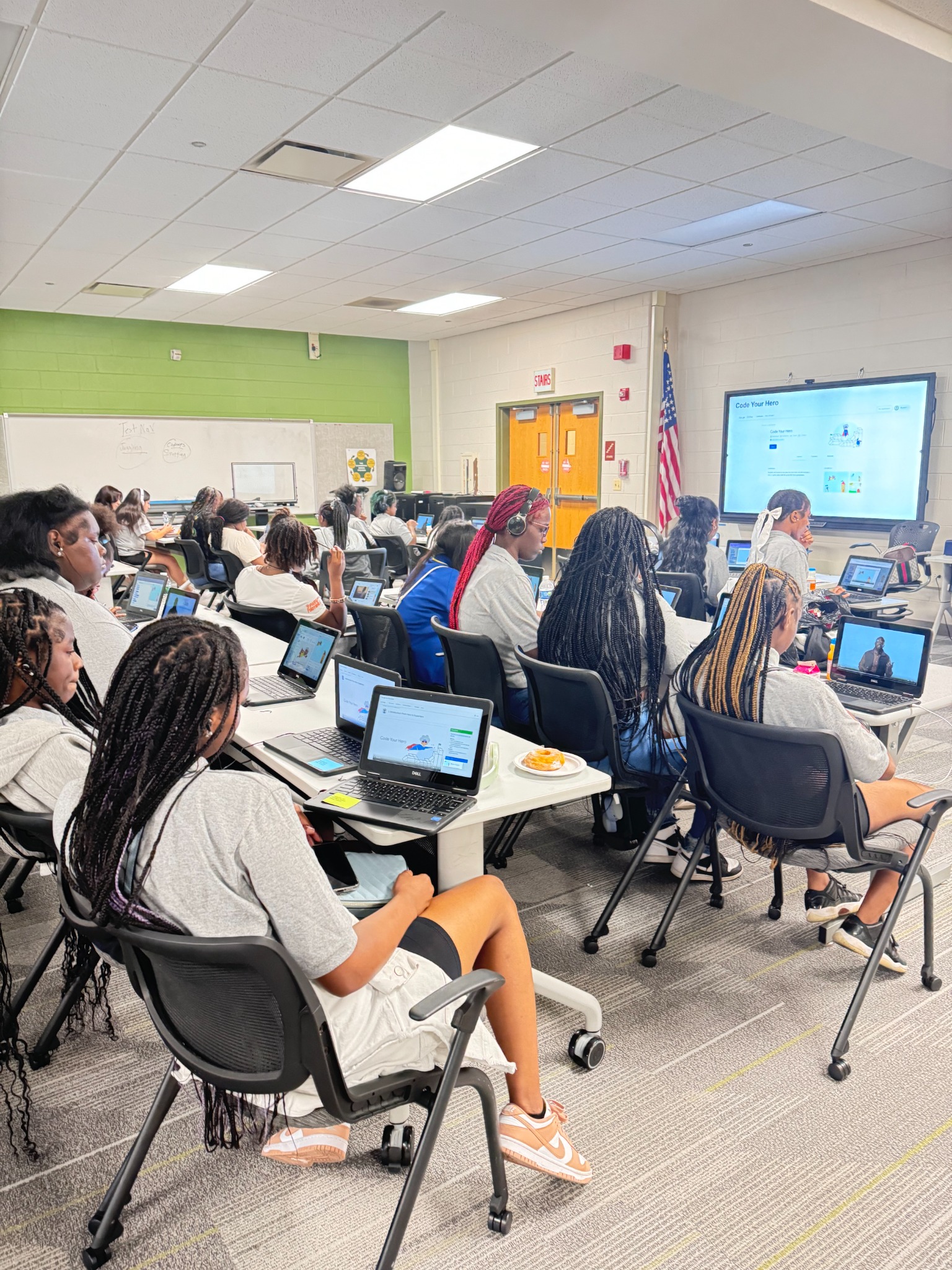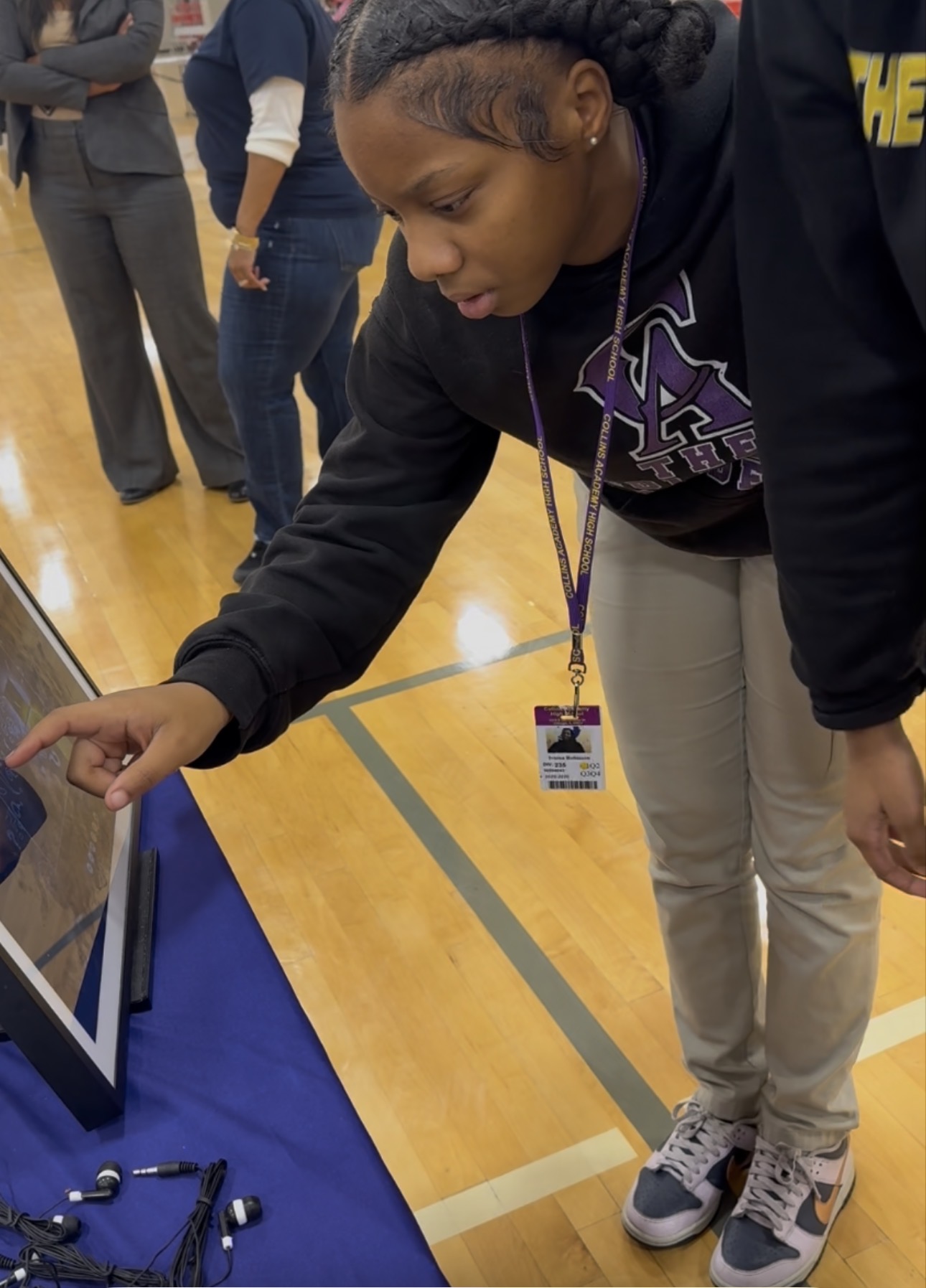
For years, we’ve treated access as the solution to inequity in technology. More programs. More exposure. More opportunity.
And yet, the outcomes remain inconsistent—especially for girls of color. Not because they lack talent. Not because they lack interest. But because we have misunderstood the problem.
Access alone does not create persistence. Exposure alone does not build identity. And opportunity alone does not teach navigation.
What is missing is the layer we have failed to design for: identity development in a technological world.
If a student cannot see herself as someone who belongs in technology, she will not stay—even if she gets in. If she does not know how to navigate bias, isolation, or failure, she will not persist—even if she starts.
This is why tech equity efforts often plateau. They open doors, but they do not prepare people to remain inside.
What we need instead are systems that build confidence, identity, resilience, and long-term navigation. That is the difference between inclusion theater and real transformation.
This is the foundation of the I.A.M.P.H.E.N.O.M.E.N.A.L.™ framework—a model designed not just to introduce girls of color to technology, but to help them see themselves as builders within it.
The future of tech equity will not be defined by access alone. It will be defined by who stays, who leads, and who believes they belong.